What landlords need to know about new EPC rules
Private landlords are facing changes to EPC rules as part of the government’sWarm Homes Plan. Details about the new standards were officially announced earlier this year.
And while they won’t be enforced until 1 October 2030, acting now could save time and money.
In simple terms, the new measures mean residential properties that are rented will have to be more energy efficient. And if it doesn’t meet new Minimum Energy Efficiency Standards (MEES), it will be illegal to let it to tenants.
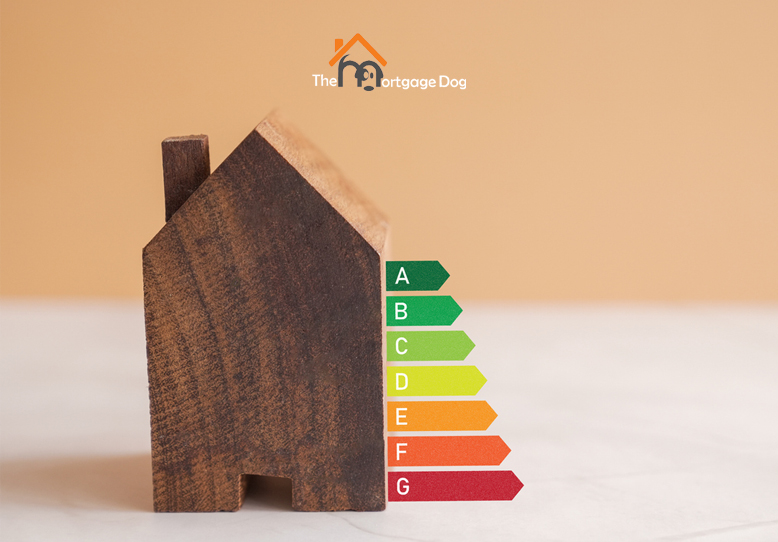
Currently, rental properties should have a minimumEPC(Energy Performance Certificate) rating of E. Anything below that cannot be let legally.
Remember, you must meet the new standards. Failing to meet the deadline could mean you have an empty property on your hands!
What are the changes?
From 1 October 2030, residential rental properties will need to have a minimum EPC rating of C. When announcing the new measures, the government also warned that the EPC system itself is going to be overhauled this year! This will mean new ways of measuring performance based on how properties retain heat rather than how much energy they use.
Any rental properties that achieved an EPC C rating before 1 October 2029 will be compliant until that EPC expires – even though it will have been rated under the current rules.
Properties without a minimum EPC C on that date will be measured under the new system. And it is likely that achieving the new rating will be tougher than under current rules!
So, ensuring any residential properties you let achieves EPC C before 1 October 2029 will be worthwhile.
The idea behind the Warm Homes Plan is to help reduce carbon emissions and improve living standards by lowering energy bills for tenants.
What do the changes mean for landlords?
The impact will vary depending on the type and condition of your property.
Some newer homes may already be close to a C rating, meaning only small changes are needed. But older properties – particularly traditional terraced homes or converted flats – may need more work. And that could be substantial!
Common improvements that help raise an EPC rating include:
Installing better insulation (loft, cavity wall, or internal)
Upgrading to more efficient boilers
Switching to LED lighting
Improving windows and doors
Adding renewable technologies like solar panels
For some landlords, these upgrades will be straightforward. For others, especially with older buildings, the costs could be higher.
This means that many landlords could be facing additional spending to meet the new standards. The government has talked about cost caps for improvements. But it will depend heavily on the property itself.
If you’re a landlord, you should review the EPC status of rental properties to see if they can reach EPC C standards now under the current rules. As we’ve already mentioned, this could a shrewd move.
How will affect BTL mortgages?
Lenders might be influenced by the EPC changes in future. Energy efficiency is becoming a bigger factor across the mortgage industry.
Some lenders already offer “green mortgages”. These offer slightly better rates for energy-efficient homes, while others are starting to factor EPC ratings more closely into their lending criteria.
If you’re thinking about refinancing, purchasing another buy-to-let, or restructuring your portfolio, your property’s EPC rating may increasingly play a role in those conversations.
For example, some lenders may require improvement plans for lower-rated properties, or they may look more favourably on properties already close to a C rating.
What should I do now?
As we’ve already mentioned, the best step right now is simply to review your properties now.
Start by checking the EPC rating in your portfolio and reading the improvement recommendations. This will give you a clearer picture of what might be required down the line.
From there, you can begin thinking about:
Which properties may need upgrades
Rough cost estimates for improvements
Whether refinancing could help fund the work
The long-term strategy for your portfolio
You can also look at remortgaging should you need to finance upgrades.
If you’d like to chat about how EPC ratings might affect your mortgage options or future property plans, get in touch with our team today for a chat.
You may have to pay an early repayment charge to your existing lender if you remortgage
Your home may be repossessed if you do not keep up repayments on your mortgage.
